Eco Nature Romania
Preserving Romania's natural wonders through sustainable practices and innovative conservation efforts. Join us in 2026 for a transformative ecological journey.
Our History
Tracing our journey through Romania's ecological landscapes
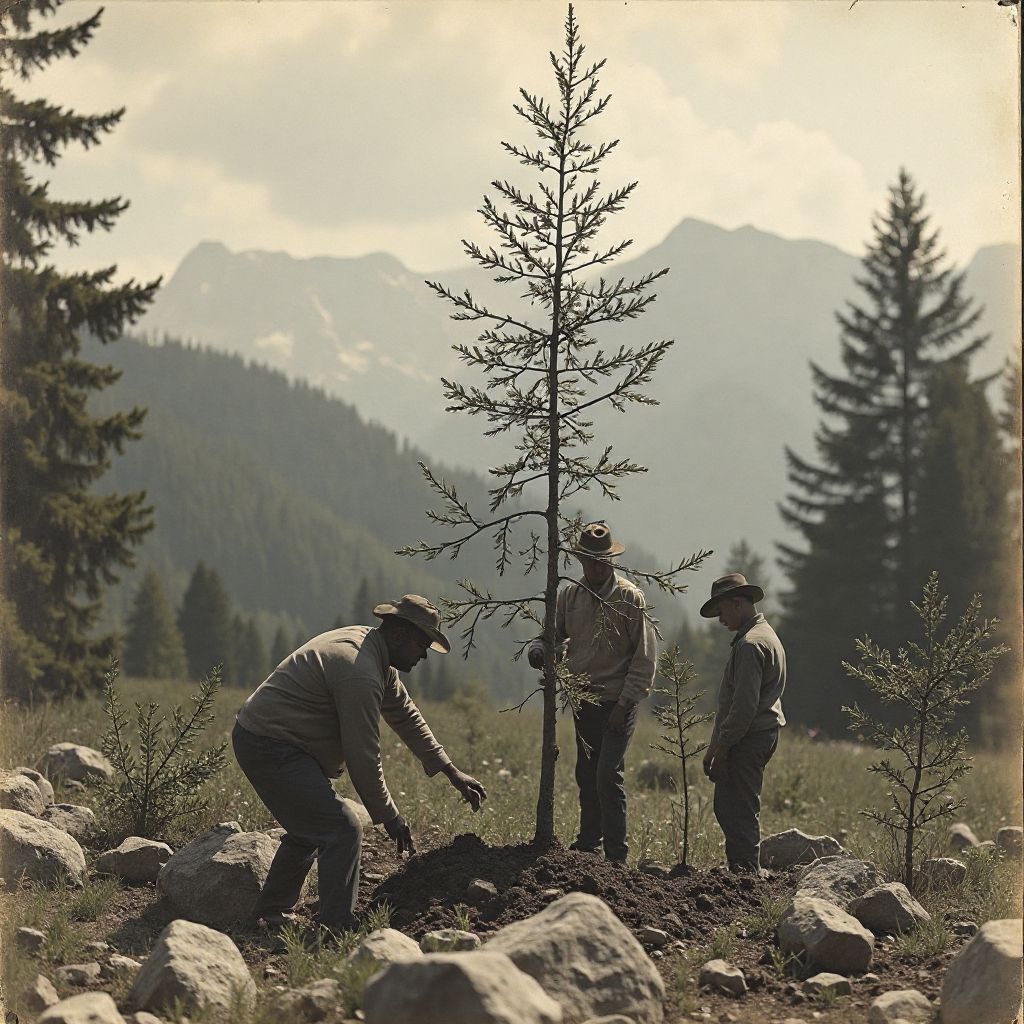
From Passion to Purpose
Founded by a coalition of environmental scientists and local activists, StealthEcarling emerged from a desperate need to protect Romania's diminishing wilderness. What started as a small grassroots movement in rural Transylvania has evolved into one of the country's leading conservation organizations, with projects spanning from the Carpathian Mountains to the Danube Delta.
Throughout our history, we've faced numerous challenges including illegal logging, pollution of waterways, and habitat fragmentation. By working closely with local communities, government agencies, and international partners, we've developed innovative approaches to conservation that balance ecological needs with human livelihoods.
Looking ahead to 2026, we're embarking on our most ambitious initiatives yet, leveraging cutting-edge technology and traditional ecological knowledge to create sustainable solutions for Romania's most precious natural resources.
Our Vision for 2026
Reimagining Romania's ecological future through innovation and community
Sustainable Communities
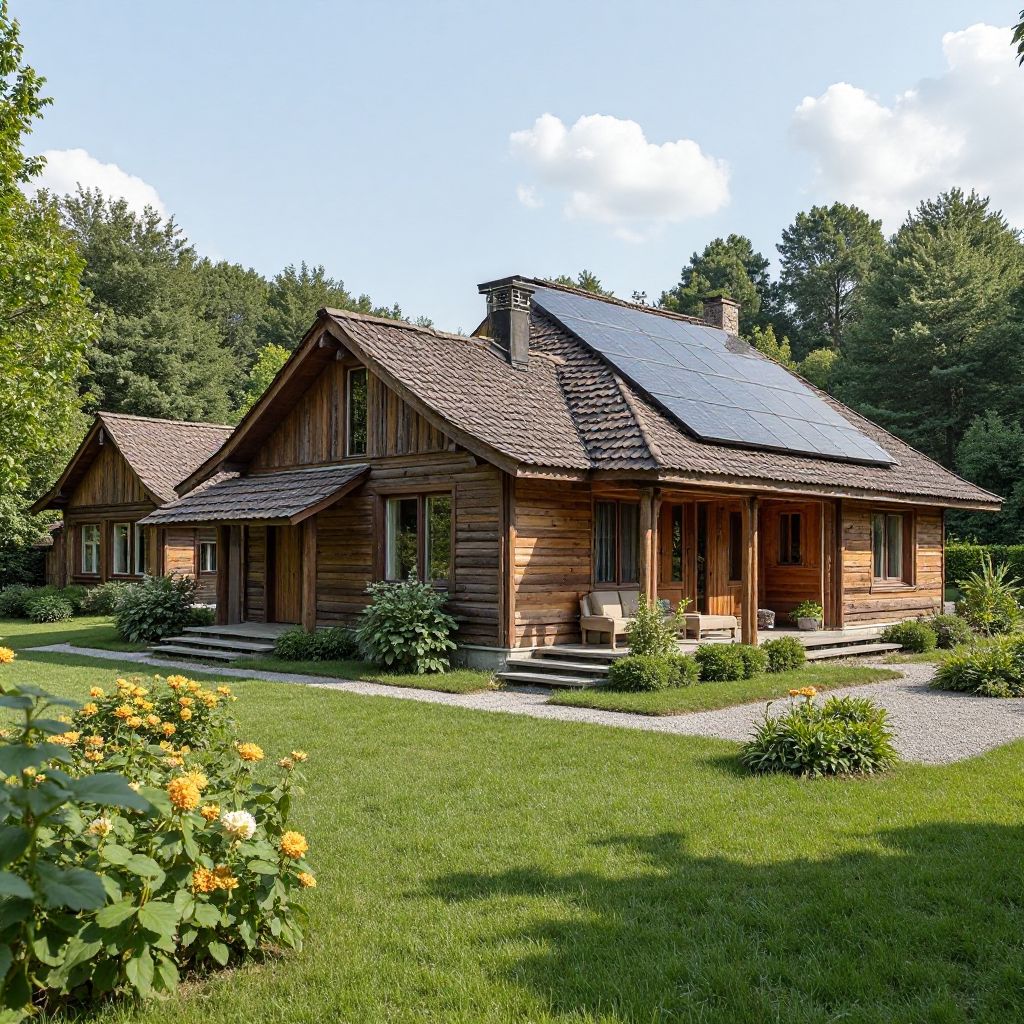
By 2026, we envision transforming 50 rural communities across Romania into models of sustainability. These communities will implement renewable energy solutions, practice regenerative agriculture, and manage waste through circular economy principles. Each village will become a living laboratory for ecological innovation while preserving traditional Romanian cultural practices.
Biodiversity Protection
Our goal is to establish five new protected corridors connecting existing national parks, allowing wildlife to move freely across landscapes. We're developing cutting-edge monitoring systems using AI and community scientists to track and protect Romania's iconic species including the European bison, brown bear, and Carpathian lynx, ensuring their populations thrive for generations to come.
Climate Resilience
Facing the realities of climate change, we're pioneering adaptive management strategies for Romania's diverse ecosystems. Through reforestation with climate-resilient native species, wetland restoration to mitigate flooding, and community-based disaster preparedness, we're building a Romania that can withstand and thrive amid changing environmental conditions.
Our Projects
Explore our diverse portfolio of ecological initiatives across Romania
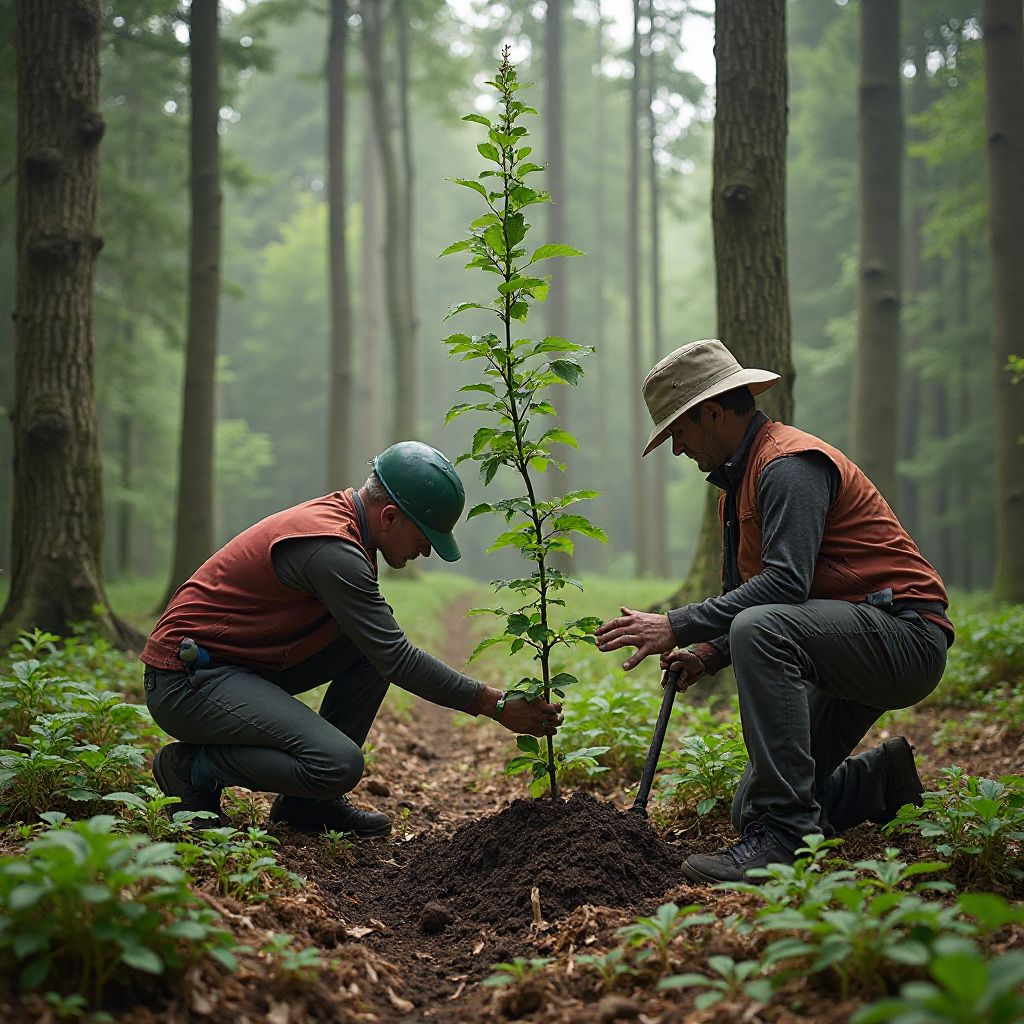
Carpathian Forest Restoration
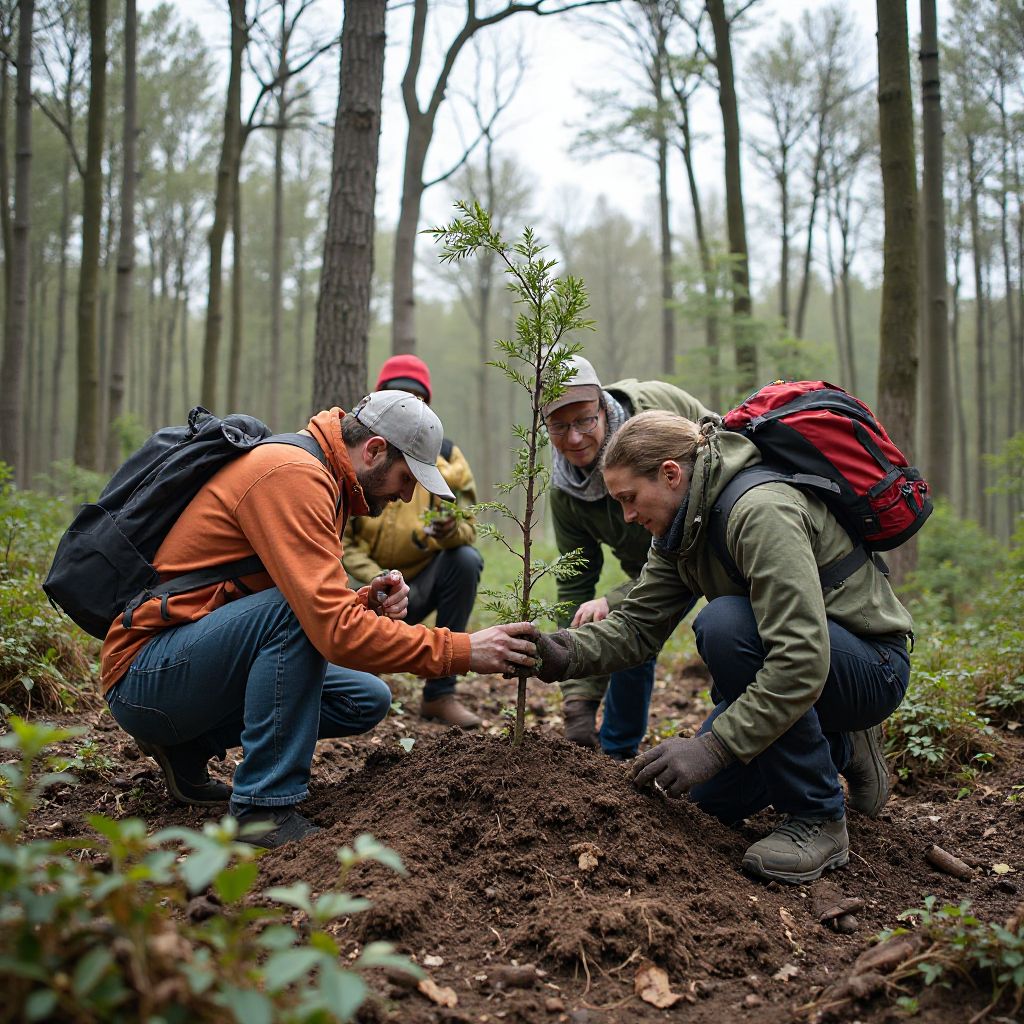
Our flagship initiative has successfully reforested over 5,000 hectares of degraded mountain landscapes with native species. Working with local communities, we've created sustainable forestry practices that balance timber harvesting with ecosystem health, providing economic opportunities while protecting critical habitats.
Learn More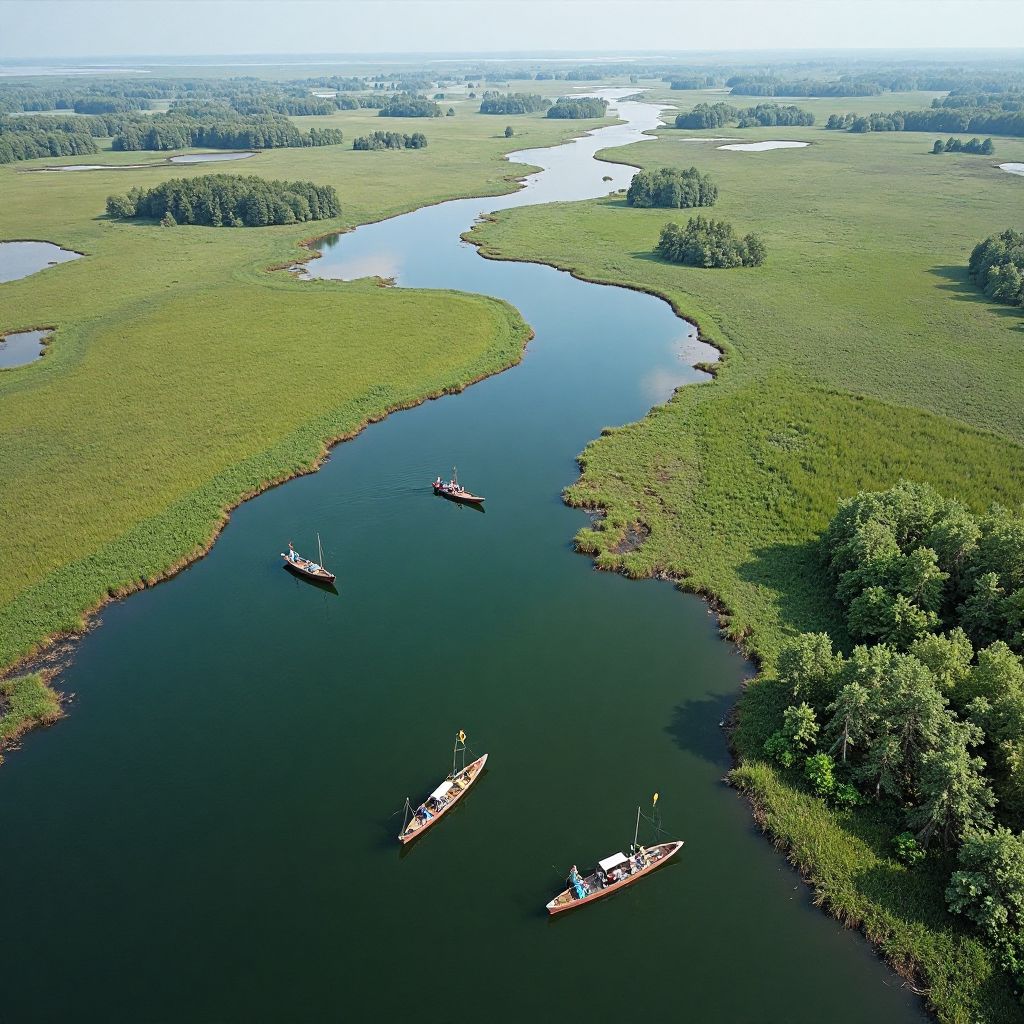
Danube Delta Wetland Preservation
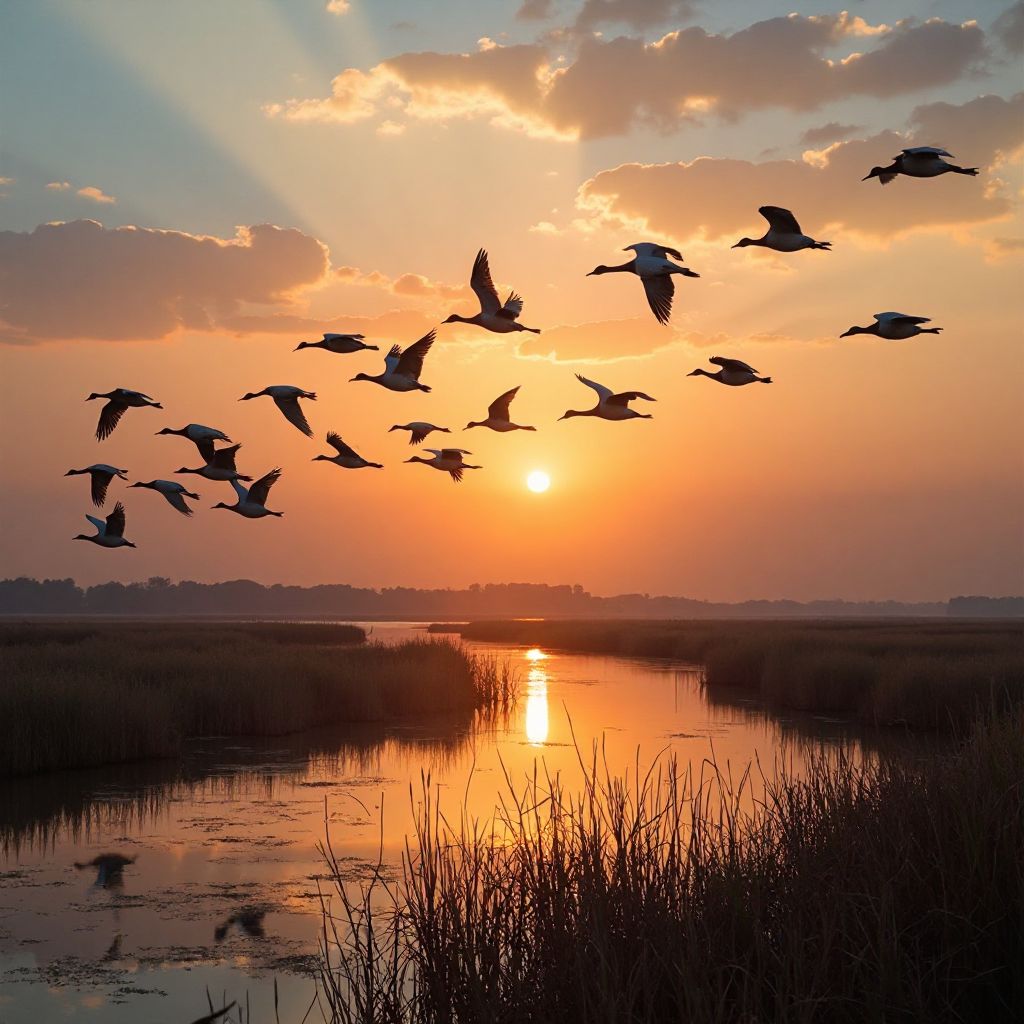
The Danube Delta, Europe's largest wetland ecosystem, faces threats from pollution and development. Our comprehensive approach includes water quality monitoring, habitat restoration, and sustainable tourism development that generates income for local fishing communities while protecting this UNESCO World Heritage site.
Learn More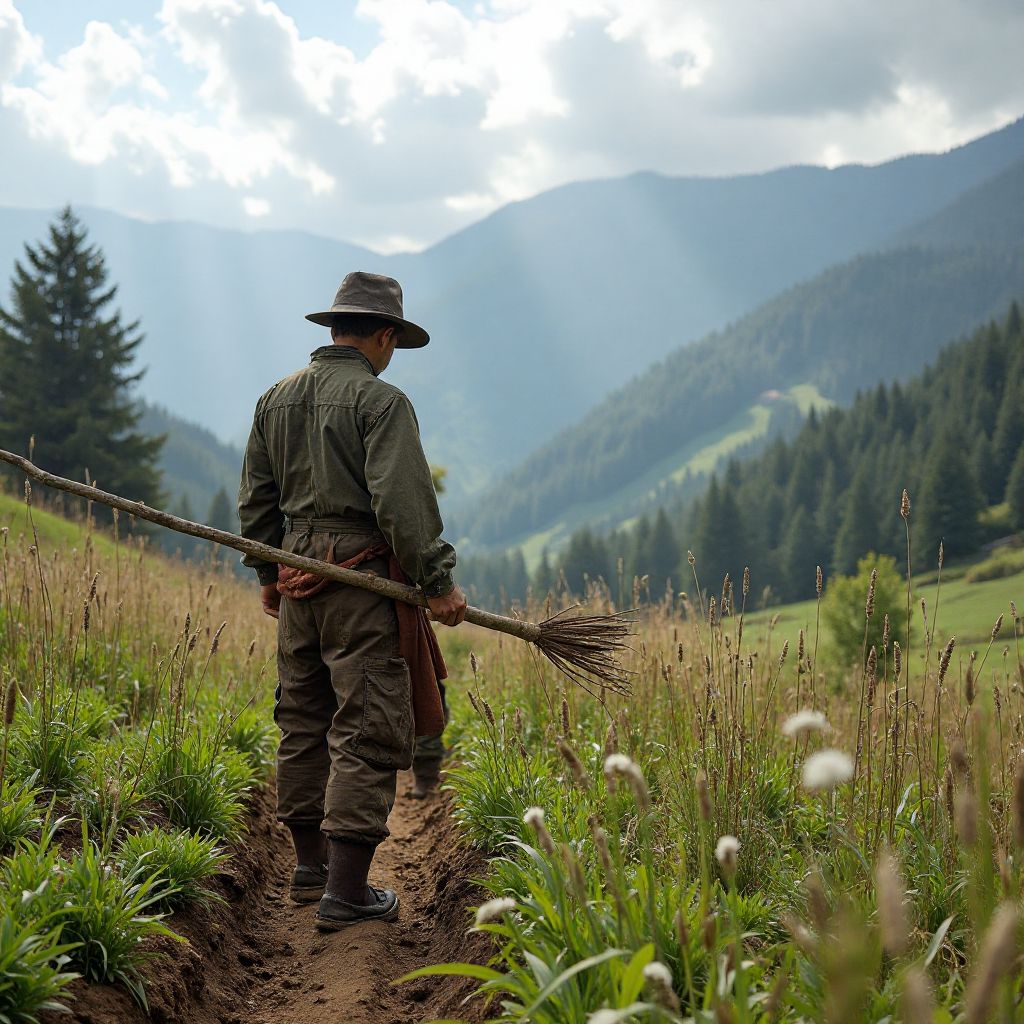
Traditional Farming Revival
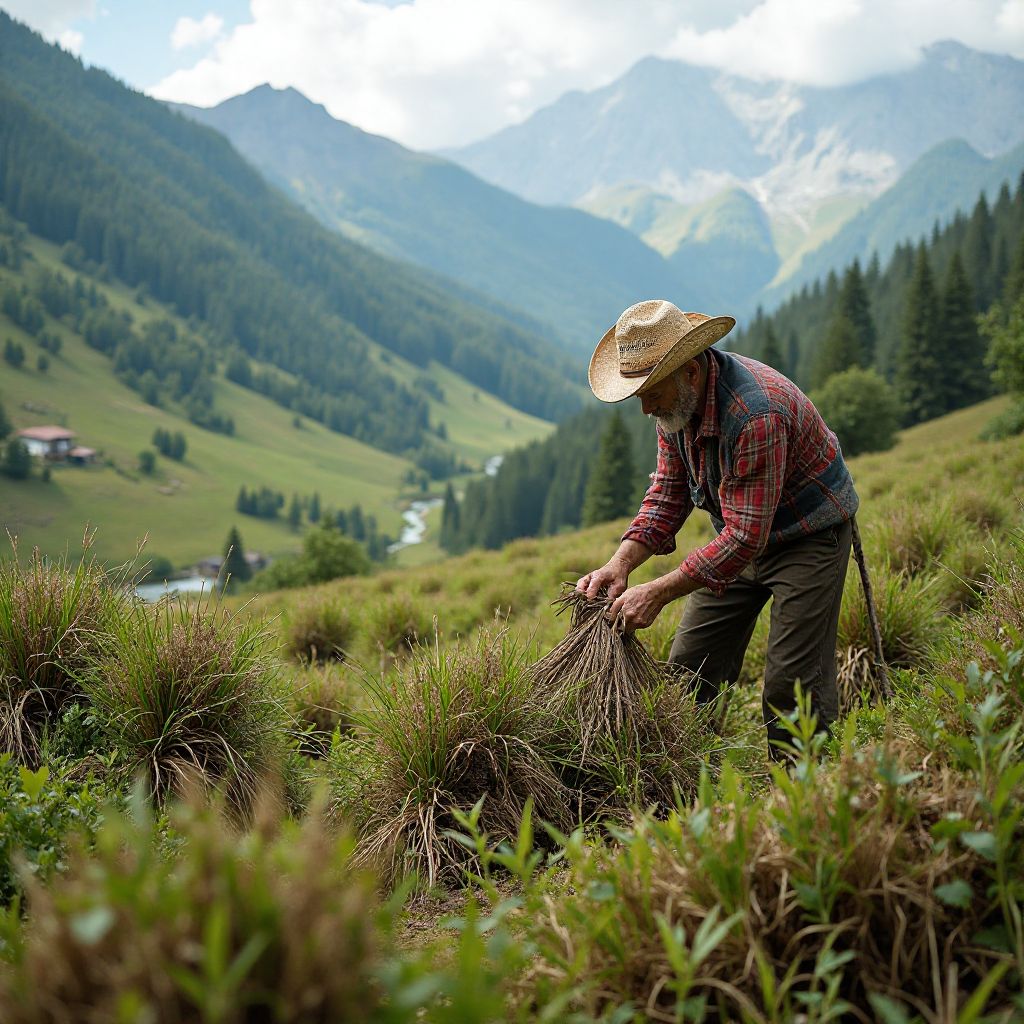
Romania's traditional agricultural landscapes harbor incredible biodiversity, shaped by centuries of low-intensity farming. We're working with rural communities to preserve these practices while introducing modern sustainable techniques. This project has helped over 200 small-scale farmers transition to organic certification while maintaining traditional Romanian agricultural heritage.
Learn MoreOur Research
Advancing ecological knowledge through scientific investigation
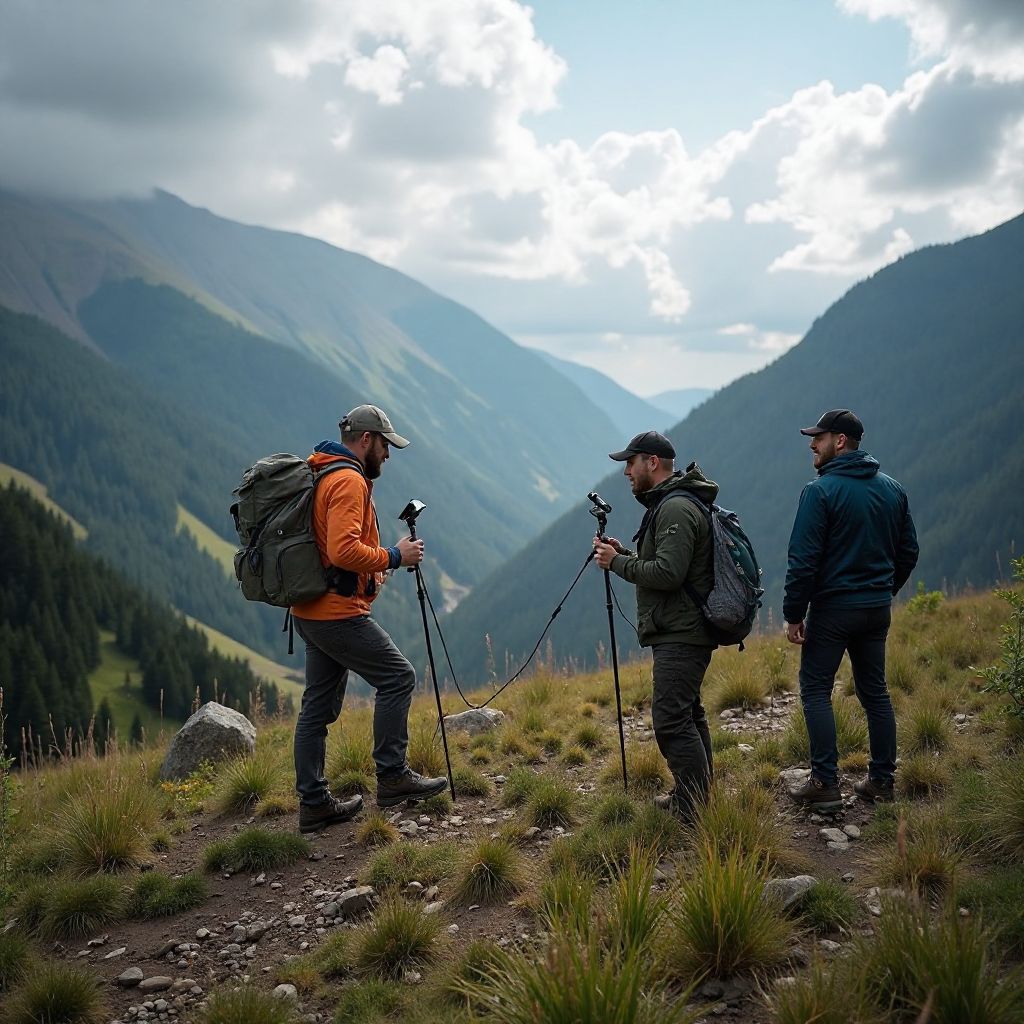
Pioneering Ecological Studies
Our research team conducts groundbreaking studies across Romania's diverse ecosystems, from the alpine regions of the Carpathians to the ancient forests of Transylvania. Using a combination of traditional field methods and cutting-edge technology like environmental DNA sampling, drone mapping, and remote sensing, we're building comprehensive datasets that inform conservation decisions.
Current research initiatives include long-term monitoring of large carnivore populations, assessing the impacts of climate change on high-altitude plant communities, and studying the ecological effects of traditional versus modern forestry practices. All of our findings are published in peer-reviewed journals and made accessible to local communities through educational programs.
By 2026, we aim to establish Romania's first comprehensive biodiversity database, creating a digital library of the country's ecological treasures that will serve as a baseline for measuring conservation success and guiding future initiatives.
Case Studies
Real-world applications of our research findings
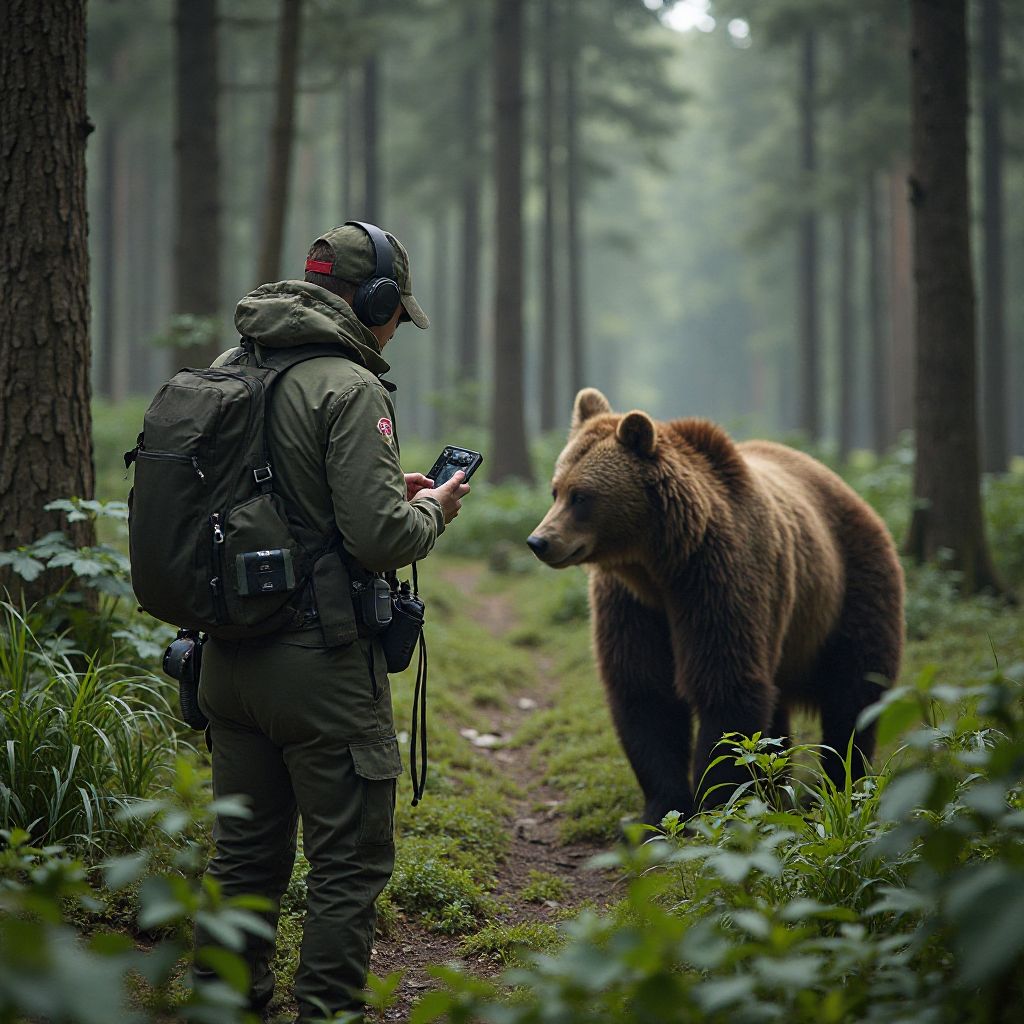
Brown Bear Coexistence Model
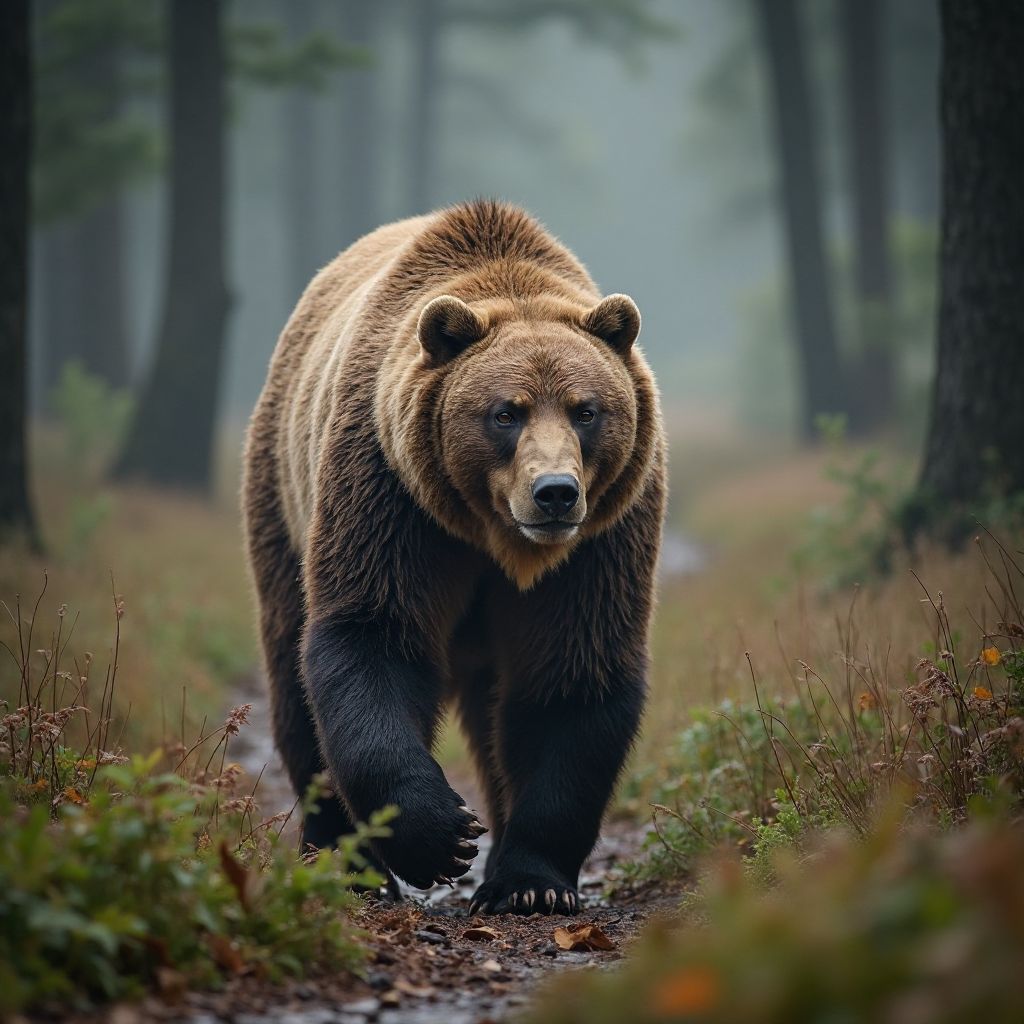
Romania has Europe's largest population of brown bears, creating both conservation opportunities and human-wildlife conflict challenges. Our five-year study developed a revolutionary coexistence model that reduced bear-human conflicts by 70% while maintaining healthy bear populations. This approach combines bear-proof waste management systems, wildlife corridors around human settlements, and community education programs that have transformed local attitudes toward these magnificent predators.
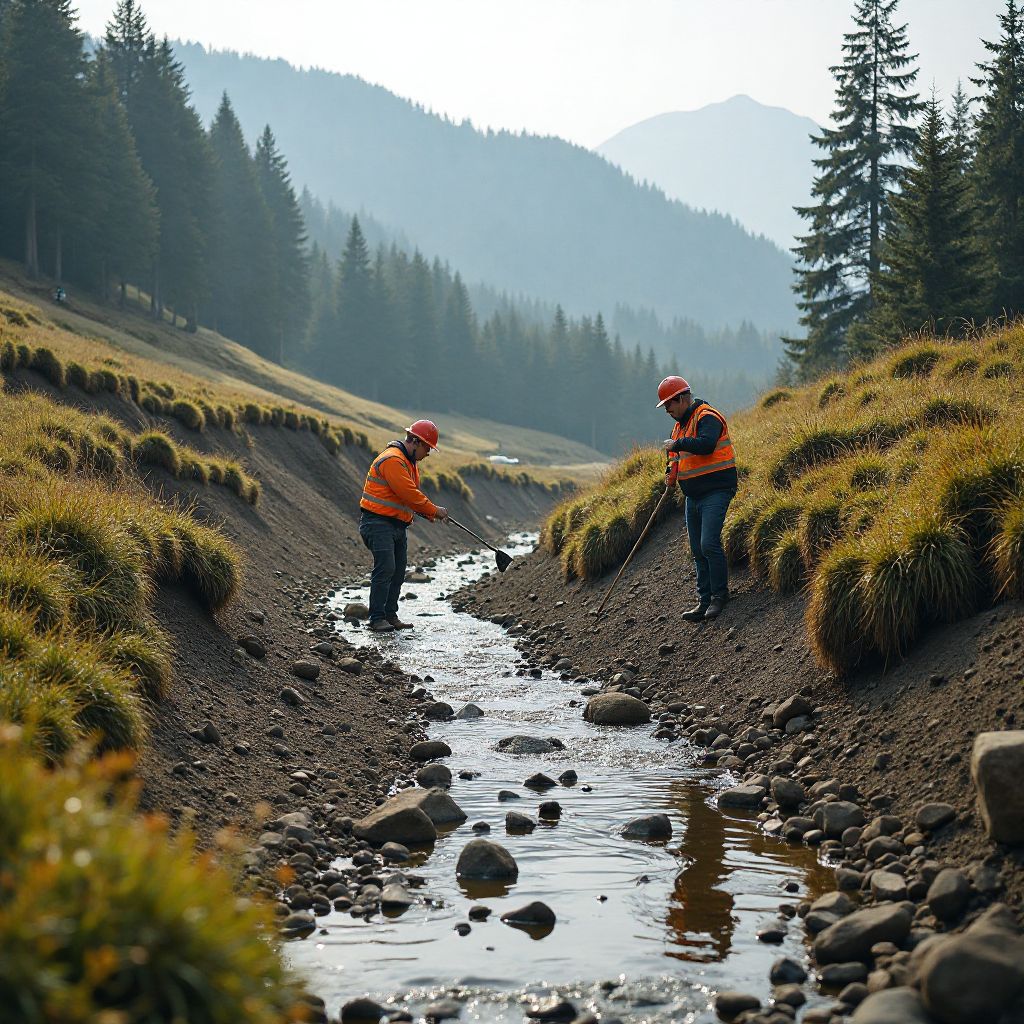
Integrated Watershed Management
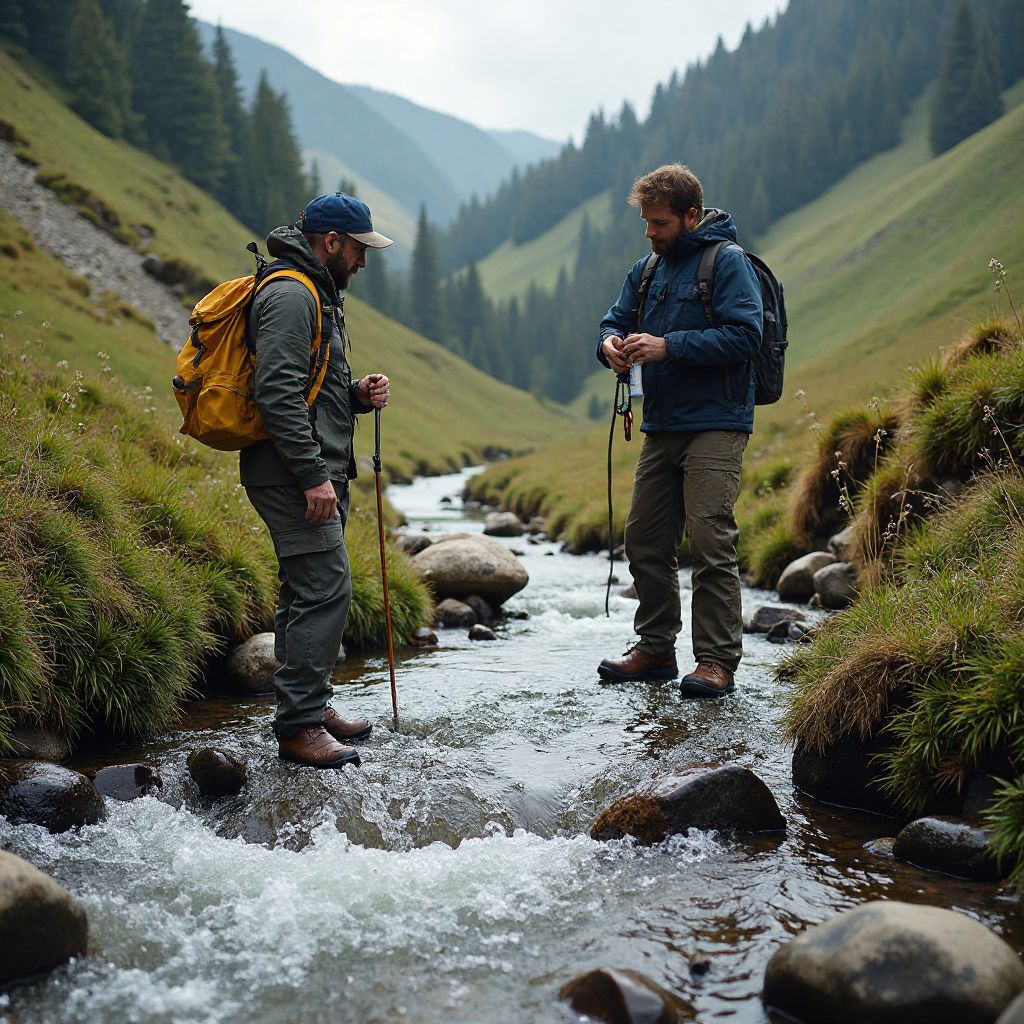
In response to increasing flood events in Romania's mountainous regions, we developed an integrated watershed management approach that combines traditional knowledge with modern hydrological modeling. By restoring riparian buffers, implementing natural water retention measures, and working with upstream communities on sustainable land management, we've created a model that reduced flood damage by 65% while improving water quality and aquatic biodiversity. This approach is now being adopted by five additional Romanian watersheds.
Ecological Resources
Essential resources for understanding and protecting Romania's natural heritage
Research Publications
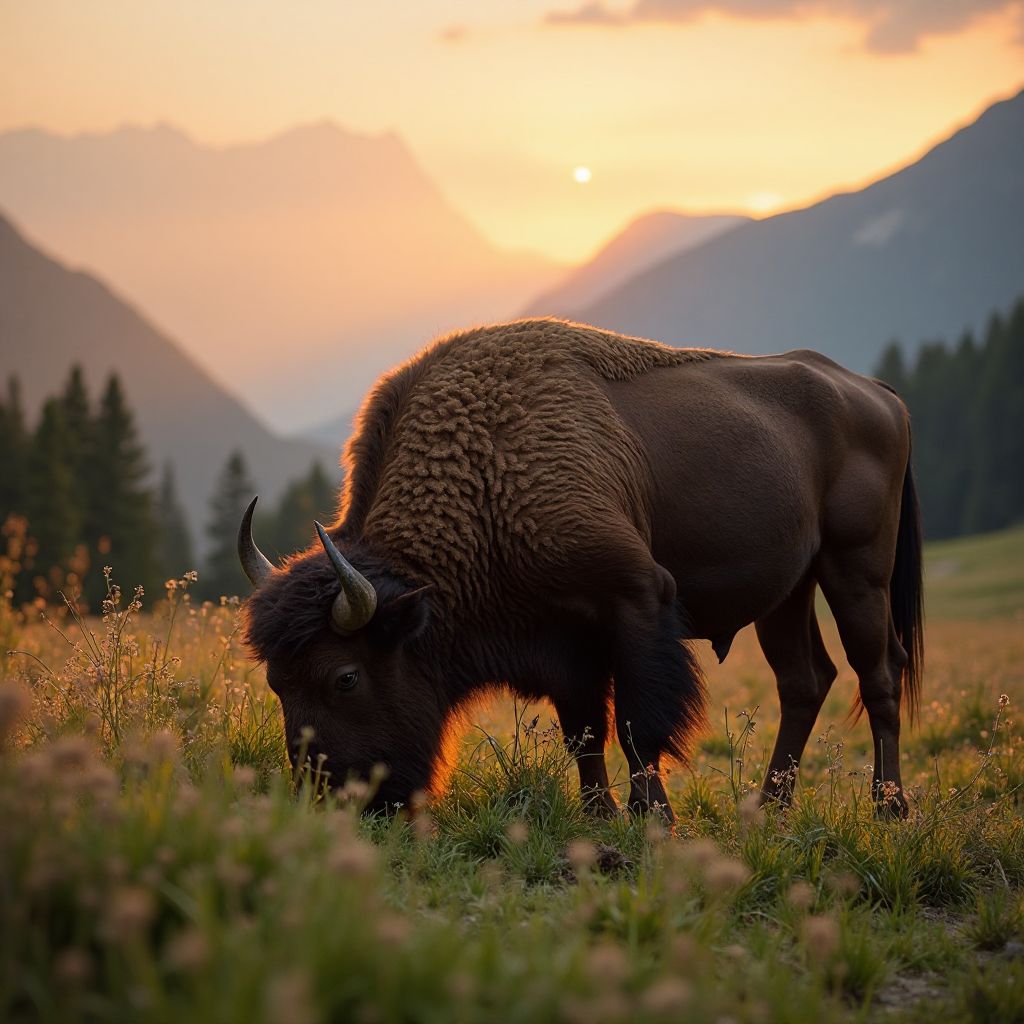
Visual Journey
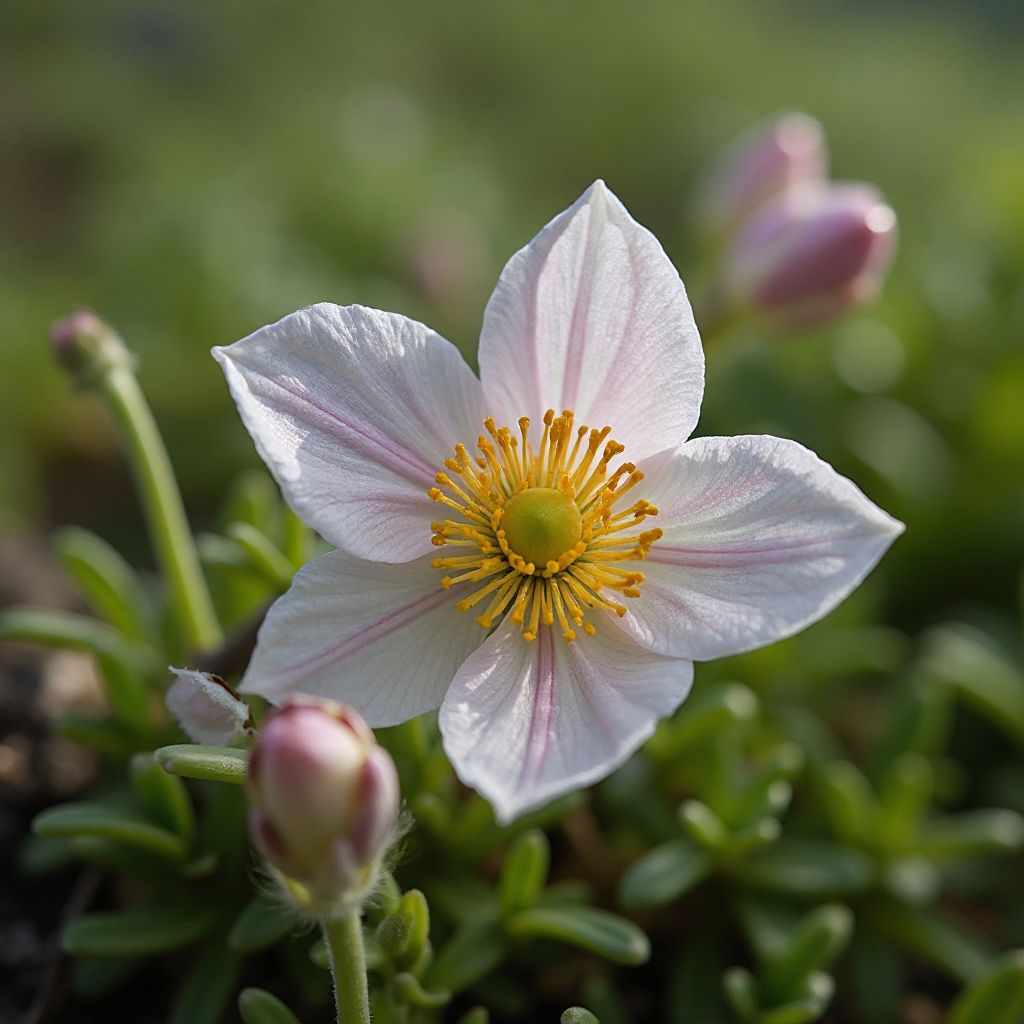
Experience the breathtaking biodiversity of Romania
Frequently Asked Questions
Get answers to common questions about our conservation work
There are multiple ways to participate in our conservation initiatives. You can join our volunteer programs which run throughout the year, focusing on activities like tree planting, wildlife monitoring, and community education. For those with specific expertise, we offer professional positions in research, education, and project management. We also welcome donations of any size, which directly fund our field operations. Additionally, simply spreading awareness about Romania's ecological challenges on social media or in your community makes a valuable contribution to our cause.
Romania's most threatened ecosystems include old-growth forests, which face pressure from illegal logging and development; high mountain habitats, which are particularly vulnerable to climate change; and lowland wetlands, which continue to be drained for agriculture despite their crucial role in flood management and biodiversity. The Danube Delta, while protected on paper, faces challenges from pollution, invasive species, and unsustainable tourism development. Traditional agricultural landscapes, which support unique plant and insect communities, are disappearing as farming practices modernize or land is abandoned as rural populations decline.
Our 2026 vision is fully aligned with and sometimes exceeds EU environmental frameworks. We work closely with EU-funded initiatives like LIFE Nature and Biodiversity and contribute to Romania's implementation of the Natura 2000 network. Our projects support the European Green Deal's biodiversity strategy, particularly its goals for expanding protected areas and restoring degraded ecosystems. We're also contributing to Romania's National Climate Change Adaptation Strategy, developing nature-based solutions that enhance both biodiversity and climate resilience. Our community engagement approach supports the EU's Just Transition mechanism, ensuring that environmental protection creates rather than eliminates economic opportunities.
We firmly believe that conservation and economic prosperity are not opposing forces but complementary goals. Our approach centers on developing sustainable economic opportunities that depend on healthy ecosystems. For example, we've helped establish ecotourism businesses that create local jobs while incentivizing wildlife protection. Our sustainable forestry initiatives maintain forest cover while allowing carefully managed timber harvesting. We promote organic farming and traditional food products that command premium prices in European markets. Through these efforts, we demonstrate that Romania's natural capital can generate greater long-term economic benefits when preserved rather than exploited, creating a model of development that enriches both ecosystems and communities.
Technology is transforming our conservation capabilities. We're deploying acoustic monitoring systems that can detect illegal logging in remote forests in real-time. Our wildlife tracking now includes GPS collars that transmit data via satellite, allowing us to understand animal movements with unprecedented detail. Drone technology helps us monitor hard-to-reach areas and create high-resolution habitat maps. We're pioneering the use of environmental DNA (eDNA) sampling to detect rare species from water or soil samples. For community engagement, we've developed smartphone apps that allow citizens to report wildlife sightings and environmental violations. By 2026, we aim to create an integrated digital platform that combines these technologies into a comprehensive conservation management system.
Get In Touch
Join our mission to preserve Romania's natural heritage
Contact Information
- Strada Republicii 45, Cluj-Napoca, 400015, Romania
- +40 264 591 873
- [email protected]
Office Hours
Monday - Friday: 9:00 AM - 5:00 PM
Saturday: 10:00 AM - 2:00 PM
Sunday: Closed